The post came in reply to a post from the United Nations Relief and Works Agency (UNRWA), saying that freshwater supplies in Gaza were "severely limited and polluted."
Gaza is receiving over 70,000 cubic meters of water per day, the Coordinator of Government Activities in the Territories (COGAT) claimed in an X/Twitter post on Sunday.
The post came in reply to a post from the United Nations Relief and Works Agency (UNRWA), saying that freshwater supplies in Gaza were "severely limited and polluted," due to a collapse in sewage infrastructure.
COGAT described UNRWA's claims as being "false narratives."
COGAT coordinates Gaza water line repair
"The facts speak for themselves," COGAT said. "When a water line issue was reported last week, we coordinated a rapid repair to restore full functionality immediately."
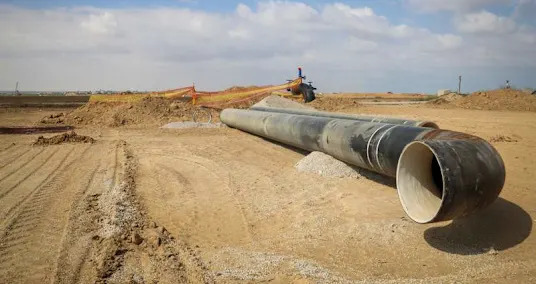
COGAT also said that there were four active pipelines leading into Gaza: Nahal Oz, Bani Suheila, Birkat Sa'id, and the Emirati line.
"While local groundwater faces challenges, we continue to repair infrastructure, even during combat, to ensure civilians access to safe, potable water," COGAT claimed.
LATEST POSTS
- 1
 How a niche Catholic approach to infertility treatment became a new talking point for MAHA conservatives
 - 26 Popular Ladies' Aromas On the planet
- 3Paratroopers kill terrorist who threw rocks at Israeli citizens, soldiers near Ofra in West Bank
- 4Parents who delay baby's first vaccines also likely to skip measles shots
- 5Signature Scents: A Manual for Outstanding Fragrances


- 12 times rockets and spacecraft crashed and burned in 2025
- Top 5 Top of the line Books of the Year
- A throat bone settles it - Nanotyrannus was not a juvenile T. rex
- Israel’s mixed messaging on Christmas draws controversy
- Report: Russian military pressuring students to work as drone pilots
- Vote in favor of Your #1 4\u00d74 SUVs
- NASA loses contact with its Maven spacecraft orbiting Mars for the past decade
- Internet goes (cocoa) nuts: The funniest reactions to 12 tonne theft of KitKat bars
- 25 Most Beautiful Villages in France You Can Actually Visit